
The Immortal Icon will never die: A Personal Look at Porsche 911 History
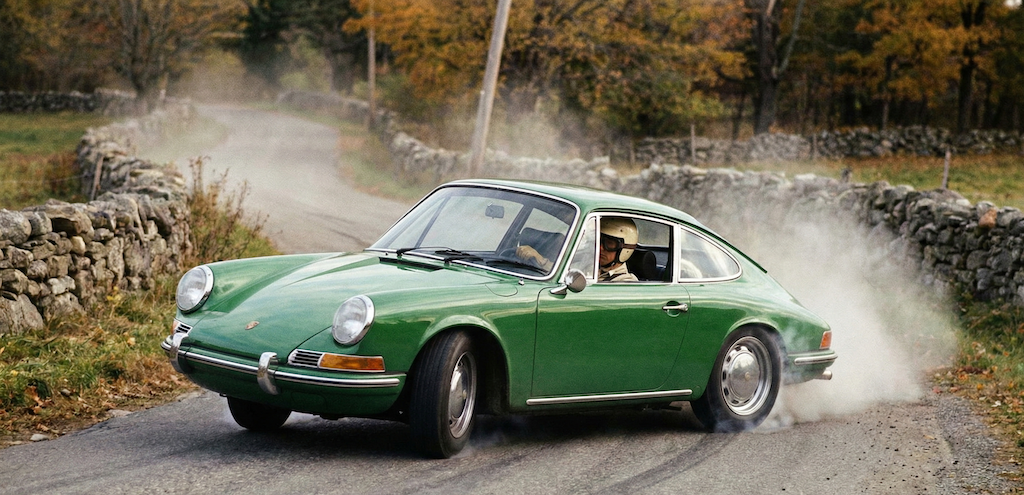
Look, when you analyze Porsche 911 history, you realize that if you were designing a sports car from scratch today, you absolutely would not build a Porsche 911.
From a purely logical standpoint, putting the heaviest component—the engine—hanging out past the rear axle is physics suicide. However, throughout Porsche 911 history, the brand has stared down the immutable laws of physics and simply said, “We don’t care. We’re doing it our way.” That stubborn streak is the soul of this machine.
Admittedly, by all rational standards, the 911 should have died years ago. Consequently, it should have been replaced by the easier-to-drive mid-engine 718 Caymanor faded away like so many other British and Italian roadsters.
Yet, it didn’t. To me, the 911 isn’t just sheet metal; it is a philosophy. I genuinely believe the 911 will never die because it is the ultimate proof that passion can out-engineer any obstacle.
Where Porsche 911 History Began (The Air-Cooled Days)
To truly understand why this car is immortal, you have to go back to the genesis. The purity of those early cars is intoxicating. They were tiny, they smelled of hot oil and unburnt gas, and above all, they demanded that you actually drive them.
When I look at the cars from the start, like the one detailed in our piece on The Porsche 911 and the Year That Defined 1964, I see the blueprint. You notice the upright windshield, the way the roofline melts into the tail, and that unmistakable mechanical clatter of the air-cooled flat-six behind your head. At that moment, Porsche decided that a difficult layout was actually a feature, not a bug.
Furthermore, the engineering simplicity was its greatest asset. By using air to cool the engine, they eliminated radiators, water pumps, and hoses—points of failure that plagued other sports cars. As a result, the 911 wasn’t just fast; it was reliable in a way its Italian rivals could only dream of.
The G-Series: Giving the Finger to Bureaucrats
Then came the 1970s. This decade was supposed to be the extinction event for fun cars due to US safety mandates. Conversely, Porsche treated this regulation as a design challenge.
They integrated those ugly requirements using distinct bellows, creating the “G-Series” or “impact bumper” look. Specifically, that era proved to me that the 911 could adapt to hostile government mandates without losing its soul. Therefore, it stopped being just a weekend toy and became a durable anvil you could hammer on every day.
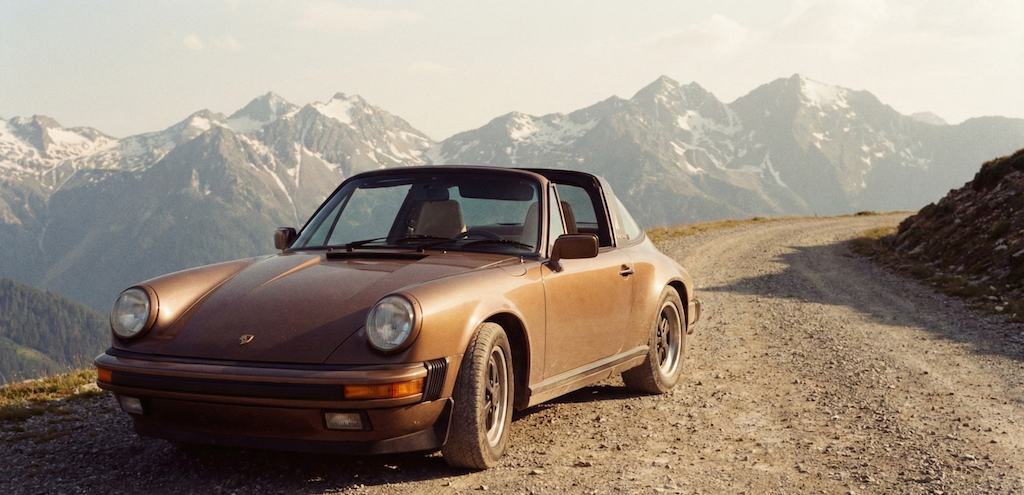
The Turbo Era: A Scary Moment in Porsche 911 History
If the G-Series showed it could survive, the Turbo showed it could dominate. The 1980s were wild, and Porsche took race technology from the brutal Can-Am racing series and dumped it onto the street. Enter the 930 Turbo—widely known as the “Widowmaker.”
Undeniably, I have a healthy amount of fear for these cars. The turbo lag was comical: you would put your foot down, wait three seconds, and subsequently be launched toward the horizon. Nevertheless, this car cemented the 911’s reputation not just as a sports car, but as a supercar slayer.
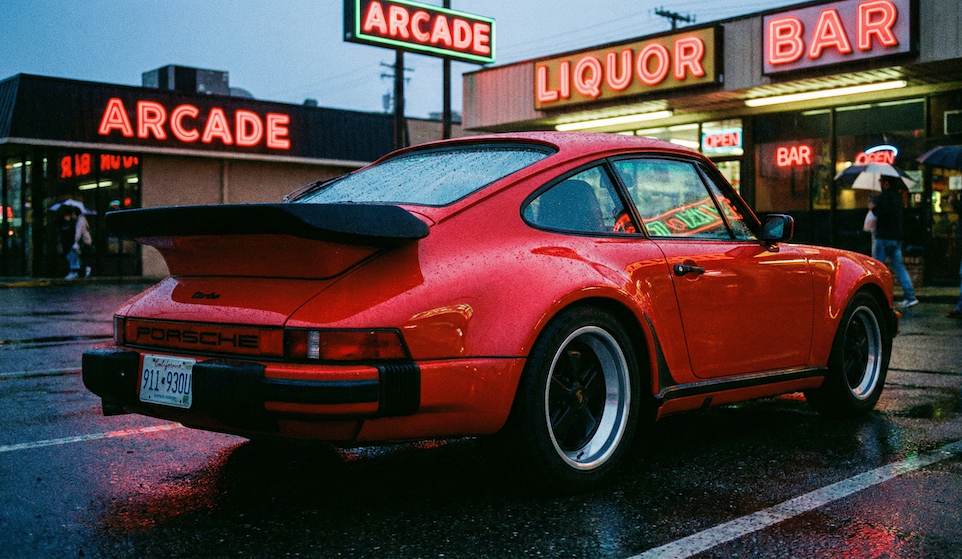
The 993: The Peak of Air-Cooled Porsche 911 History
For many of the die-hards I talk to, this is where Porsche 911 history peaks. The 993 generation. Ideally, this is the car you buy if you want the ultimate expression of the original concept. It was the final mic-drop for the air-cooled engine.
By the mid-90s, Porsche engineers had practically perfected the flawed rear-engine physics. They added a complex multi-link rear suspension that finally tamed the car’s infamous tail-happy nature. Consequently, the 993 could be driven fast without the constant fear of oversteer.
Moreover, looking at current market trends on the Hagerty Valuation Tool, values for the 993 have skyrocketed, proving that collectors value this “end of an era” perfection above almost anything else.
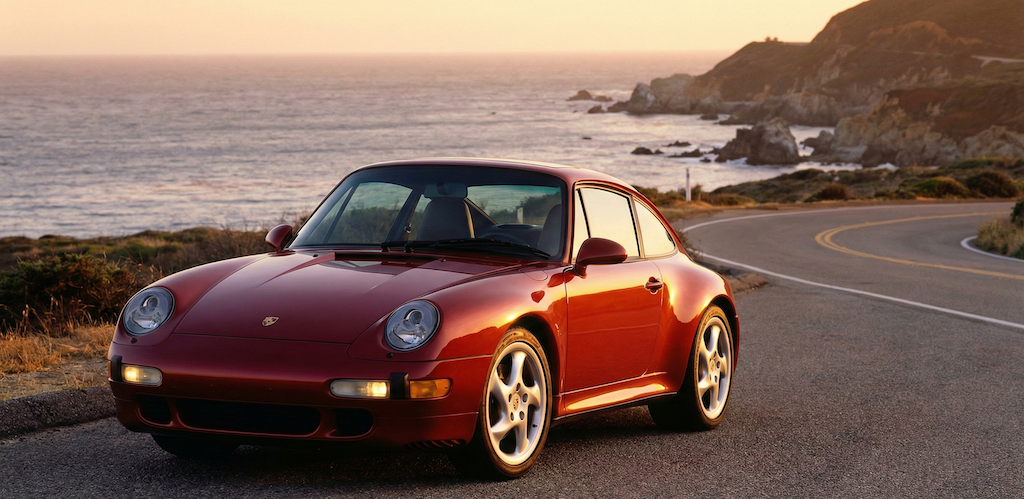
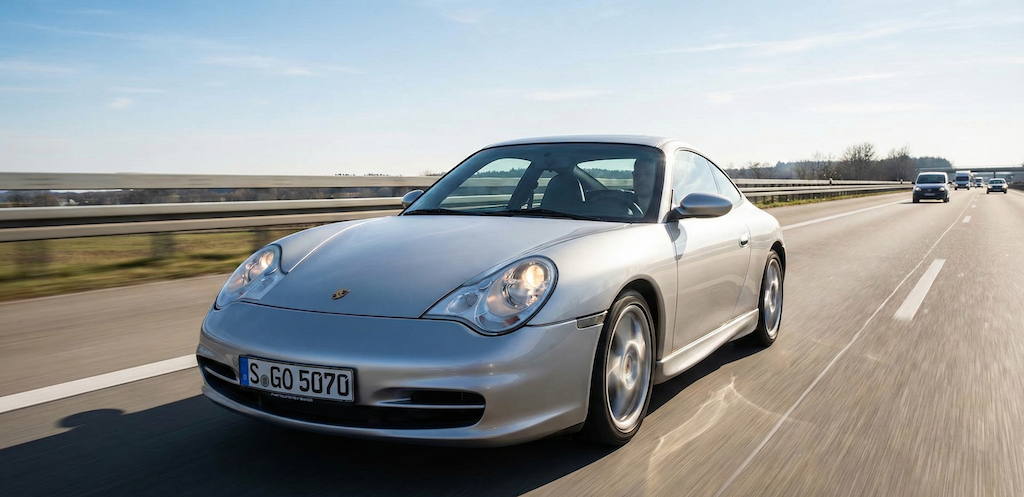
The Water-Cooled Revolution: Changing Porsche 911 History Forever
Eventually, reality caught up. The real test of immortality isn’t staying the same forever; it’s knowing when you have to change to survive. Specifically, in the late 90s, stringent emissions laws meant the air-cooled era was dead.
Why It Won’t Die
We’re at another crossroads now with electric motors looming. But I’m not worried.
The 911 is a canvas. It absorbs new tech and bends it to serve that classic rear-engine feel. Furthermore, Porsche is currently investing heavily in synthetic eFuels to keep combustion engines alive potentially forever.
While Porsche figures out the future, my job—our job as enthusiasts—is protecting the past. It’s no accident that over 70% of all Porsches ever built are still on the road. It’s because we’re obsessed with them. Keeping an air-cooled classic alive means understanding its quirks. That’s why I’m obsessive about what I put in the engine, specifically using the best high-zinc oils for those older flat-tappets to ensure they run for another 60 years.
To me, the Porsche 911 is rolling sculpture, right up there with the famous BMW Art Cars, but it’s sculpture designed to be thrashed on a backroad. As long as there are roads to drive and people obsessed with the perfect corner, the 911 will never die.
Check out more about the PORSCHE 911
Affiliate Disclosure: This post contains affiliate links. If you purchase through these links, we may earn a small commission at no additional cost to you. This helps us keep producing valuable content. Thank you for your support! 🙏🏼
- Porsche 911 History: Why the Immortal Icon Will Never DieThey said putting the engine in the back was a mistake. Six decades later, the Porsche 911 is immortal. This is the story of why it will never die.
- Holiday Garage & Gift Guide for Porsche 356 Lovers (2026)Own a Porsche 356 replica? Discover Black Friday and Christmas must-haves — waxes, garage gear, and unique gifts to keep your dream car gleaming.
- Mineral vs Synthetic Oil for Classic Cars Guide (2026)Ultimate 2026 guide: mineral vs synthetic oil for classic cars. ZDDP requirements, viscosity tips & recommendations for Ford Mustang, Camaro, Porsche 911.
- The Porsche 911 and the Year That Defined 1964Discover how the Porsche 911 shaped 1964 alongside fashion, music, and cultural milestones in this unforgettable year.
- Chevrolet Camaro: A Legacy of Power, Style, and PerformanceThe Chevrolet Camaro, launched in 1967, defined American muscle cars with power, style, and innovation. Explore its history, design, and classic legacy.

